
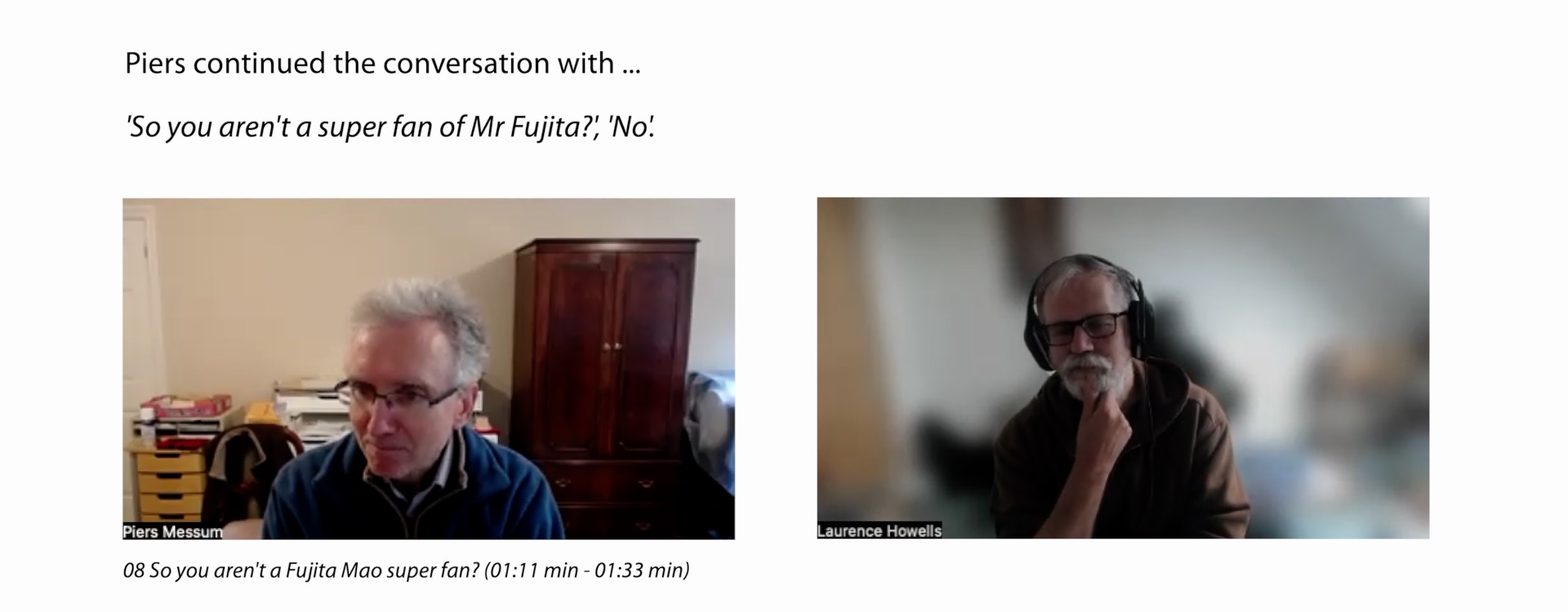
This article analyses a particular Class Conversation from a real lesson. The purpose of this analysis is to show how the Class Conversation approach enables intermediate students to improve their speaking skills. The content of the lesson is provided entirely by the students – the teacher’s role is to make sure that each sentence is corrected and then practised. Sometimes the teacher also needs to prompt students to go deeper or to keep the conversation going.
(more…)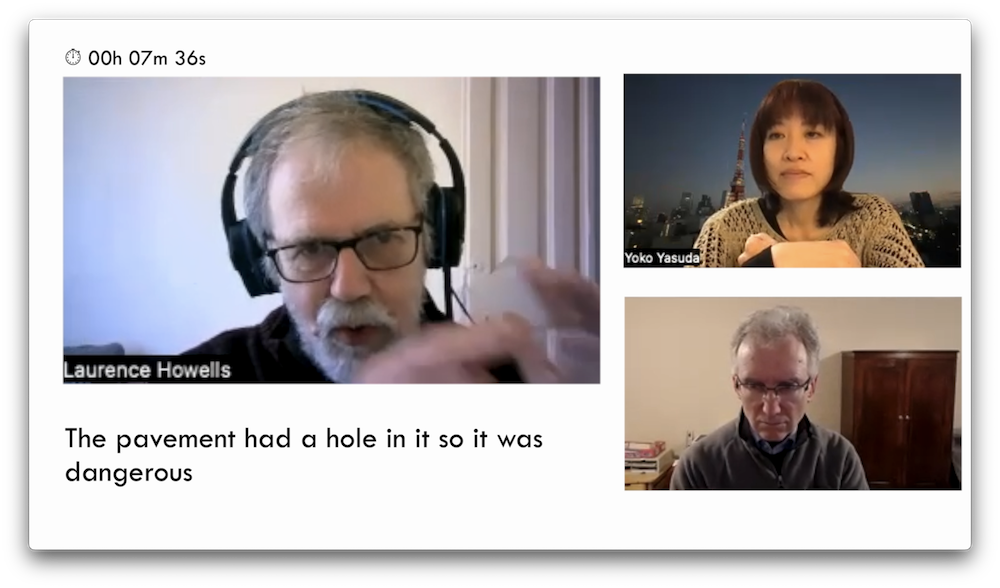
Check out this film to find out more about the Class conversation technique.
The film explains the technique and then summarizes the ‘story’ that emerged from the conversation between two intermediate students of Japanese. The film deliberately doesn’t show the process of rectification that the students worked on sentence by sentence, since the aim of this film is to show how a coherent story is created by the students in this kind of class.
(more…)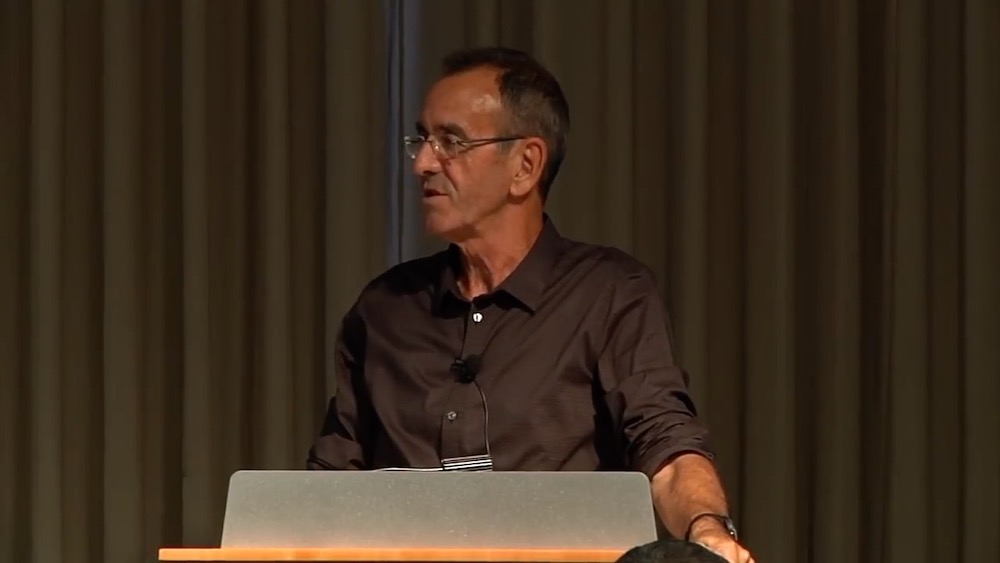
Scott Thornbury speaks about the fact that the most motivating thing in a language classroom is if you can get the people in the room interested in each other and talking to each other. An idea central to the technique of the Class Conversation used in Silent Way classes once students have some of the language.
(more…)
Since language is for people to express themselves, once students have some of the language we mostly use class conversations to teach languages: someone starts off the conversation with something they want to say; and then others respond. In between these exchanges, the teacher gets the students to correct themselves. And then the class picks up the conversation again.
(more…)