
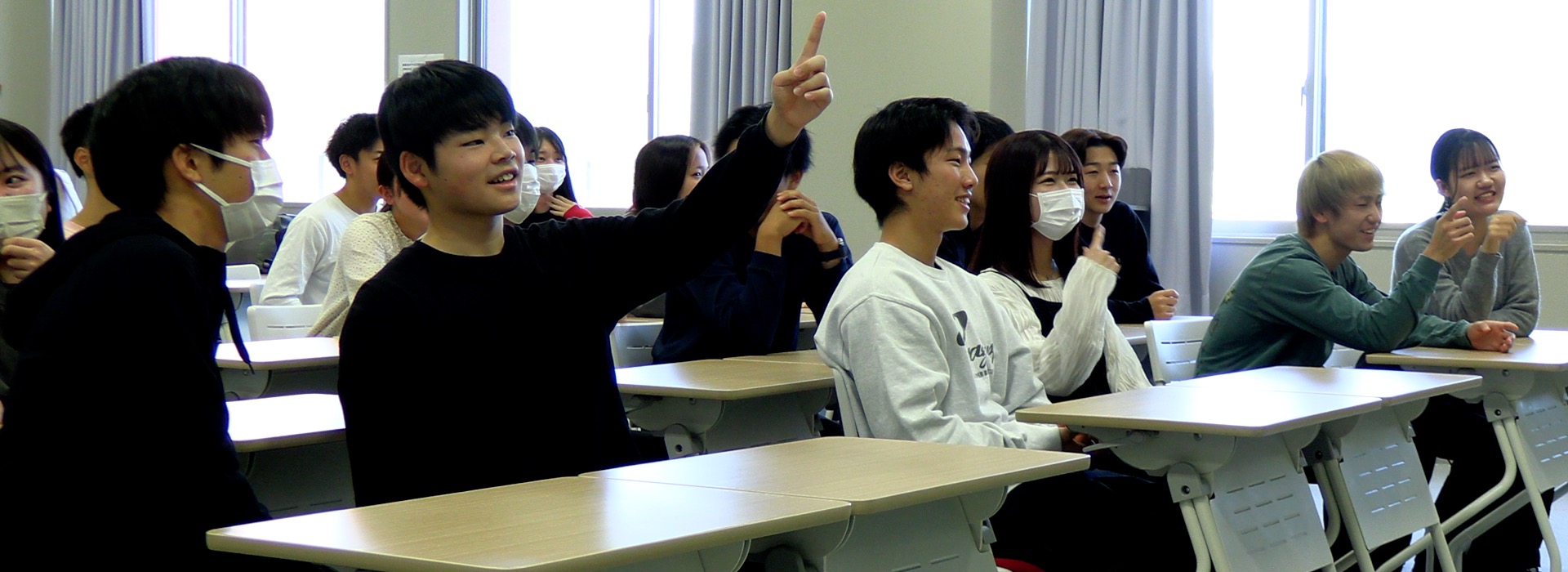
Don Cherry has been teaching English in Japan for over 30 years using the Silent Way. This page shows video of Don teaching a lesson focused on prepositions of place, but also working on many other important aspects of English.
(more…)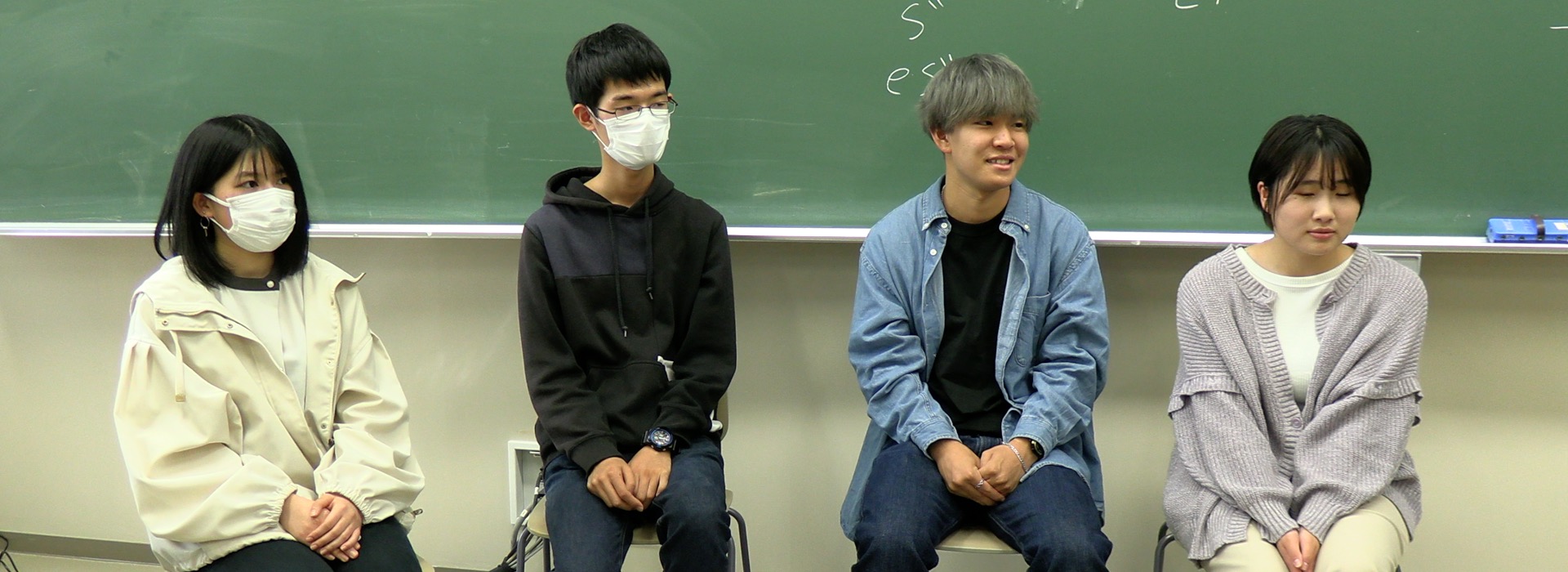
Don Cherry has been teaching English in Japan for over 30 years using the Silent Way. This page shows video of Don teaching a lesson focused on prepositions of place, but also working on many other important aspects of English.
(more…)
This film shows how a Silent Way teacher works. We’ve sampled every two hours of a week-long intensive English class that teacher Don Cherry gave in Tokyo in 2016 to give you a unique insight into this way of working.
You’ll see how a Silent Way teacher works and some of the reasons why we work this way, including:
You can watch the film with commentary either in English, French or Japanese.
(more…)
Cuisenaire rods – small wood or plastic blocks of various colours and lengths – are very useful for teaching students how the language expresses relationships of time, space, personal relationships; and to get them to performing actions, giving instructions and making requests.
Because they are easily manipulable, an infinite variety of situations can be created.
(more…)
The Silent Way Word charts present the function words of the language: the prepositions, pronouns, conjunctions and certain adverbs and adjectives and what is necessary for expressing verb forms. These roughly 400 words allow the speaker to express their thoughts, to describe human relations and to situate what he is talking about in space and in time.
(more…)
Memorisation costs us a lot of time and energy and is unreliable. We forget so easily! On the other hand, there are some things that we remember perfectly. We can recognise places; find our way back home ; get back on our skis after a break; hum a lullaby from childhood.
(more…)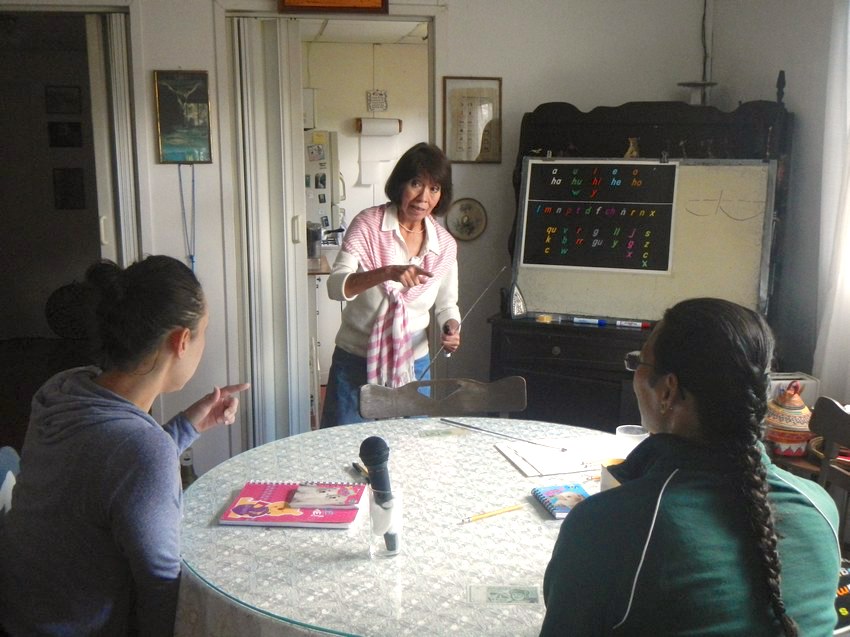
We focus on the parts of the language which are difficult for students to learn for themselves: its pronunciation and the use of its functional vocabulary to express temporal, spatial and personal relationships. Gattegno called these the ‘spirit of the language’. Once you have the ‘spirit of the language’, then the rest comes easily through use.
(more…)
We focus on teaching our students how to use the functional vocabulary of a language. With a tiny vocabulary of not much more than 400 words (at least for a language like English) we can explore every aspect of pronunciation and virtually all the grammar of language. Once they have mastered how the language ‘works’ then they can pick up whatever else they need by use and exposure.
(more…)
The function ‘words’ are the items which generate the grammar of a language. In English they are in fact mostly words whereas in many languages they are more often things like endings or other parts of words. They are what carries meanings for things like spatial, temporal, numerical and personal relationships.
(more…)