
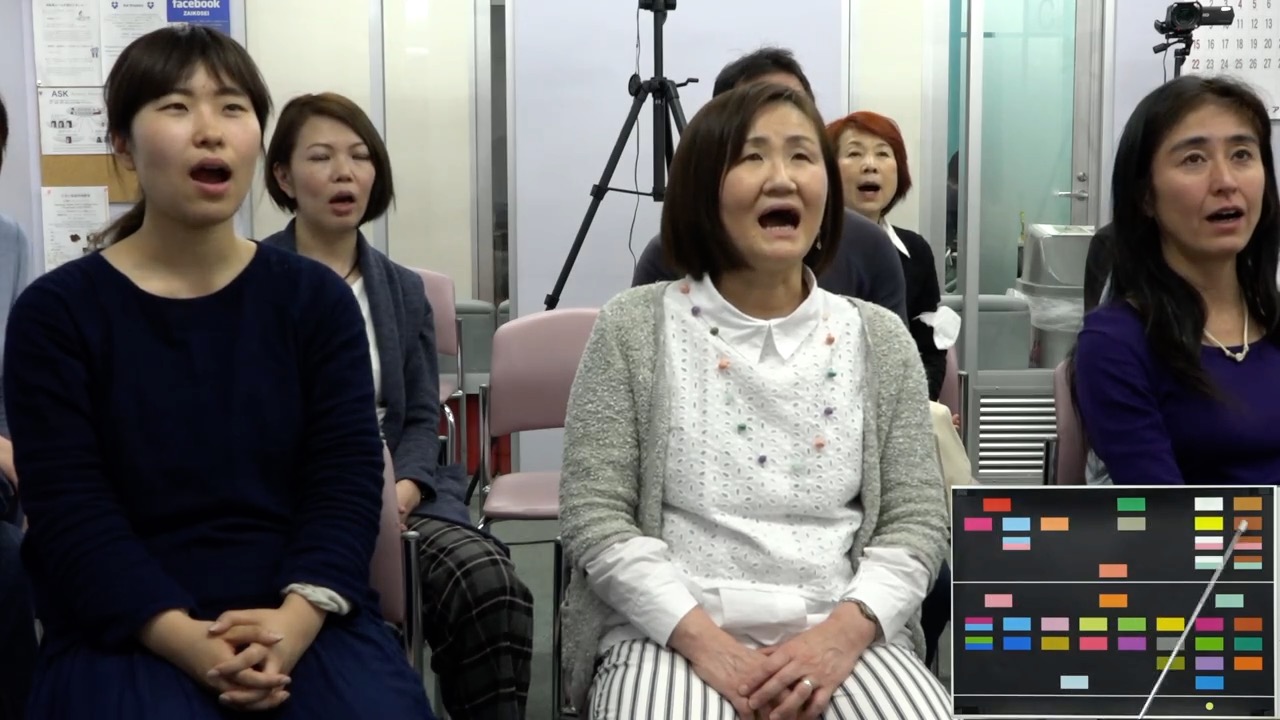
Practice is necessary to learn a skill, whether physical or mental. For us, neither repetition nor rote learning is practice. We use practice to speak about activities which require the presence of the doer. Repetition can take place even while the person executing a movement is mentally absent from what he is doing, thinking about something quite different.
(more…)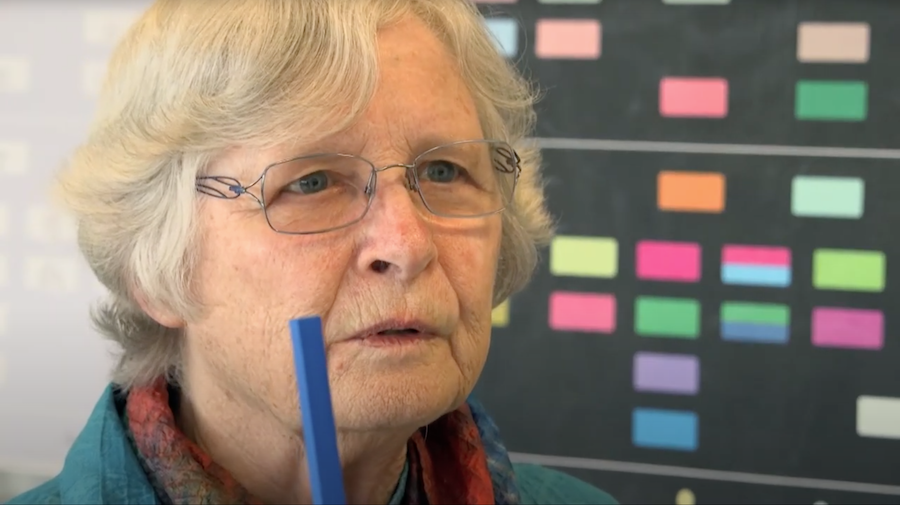
A conversation between Roslyn Young and Piers Messum about Caleb Gattegno’s Silent Way approach to teaching foreign languages. In this series of 15 videos Roslyn and Piers discuss the theory and practice of teaching using the Silent Way.
(more…)
We get to be good at doing something through practice and sleep. Both are necessary: if we don’t do the work, i.e. focussed practice, then nothing happens. But in sleep our practice is consolidated and integrated, resulting in improved performance at whatever it is we are working on. These effects are true across the whole range of human skill development from language to athletics. And they are cumulative, with newly-learned skills building on, strengthening and refashioning more established ones.
(more…)
Teachers have to practise being a teacher as much as students have to practise a language. We have to subordinate everything that we do to the students’ learning. It’s a terrible temptation for teachers to talk and explain and lecture. But this talk doesn’t really help people learn to speak a language.
(more…)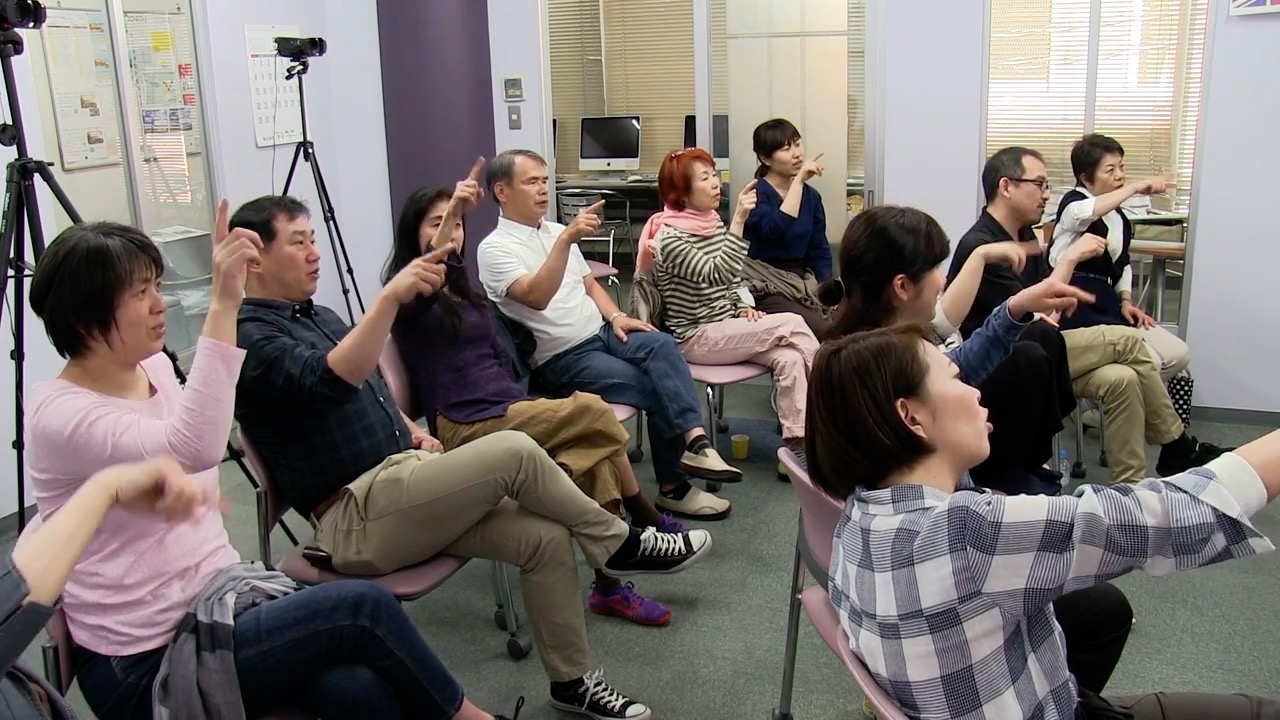
Learning starts with someone becoming aware that there is something to learn, or change, or improve: that there is a difference between their performance and what they are aspiring to, or could aspire to.
It is these tiny moments of awareness that kickstart the process of learning. Without these moments of awareness there is no reason or drive for anyone to do the work required. It is the teacher’s job to provoke these awarenesses in his/her students: they are the necessary requirement for learning to take place. Once students have noticed that there is something to learn, then the teacher’s job becomes slightly different: to encourage and guide such experimentation and then provide precise feedback.
(more…)
A skill is ‘the ability to do something well’ or ‘expertise’. And skills are learned by doing, by trial & error, with feedback and through experience. The skills of wood turning or playing a sport or taking photographs can’t be mastered by reading about them in books or being told about them. People learning a skill benefit from a coach, someone with more experience than they have, who can guide their practice as they gradually develop their expertise.
Speaking a language is the same. Teaching this as an academic subject is misguided and inefficient. Students need experience of using the language and feedback and guidance about the most fruitful ways to improve.
And language teachers need to learn the skills of being a good coach in just the same way: by coaching students and through feedback and reflection on their practice.