
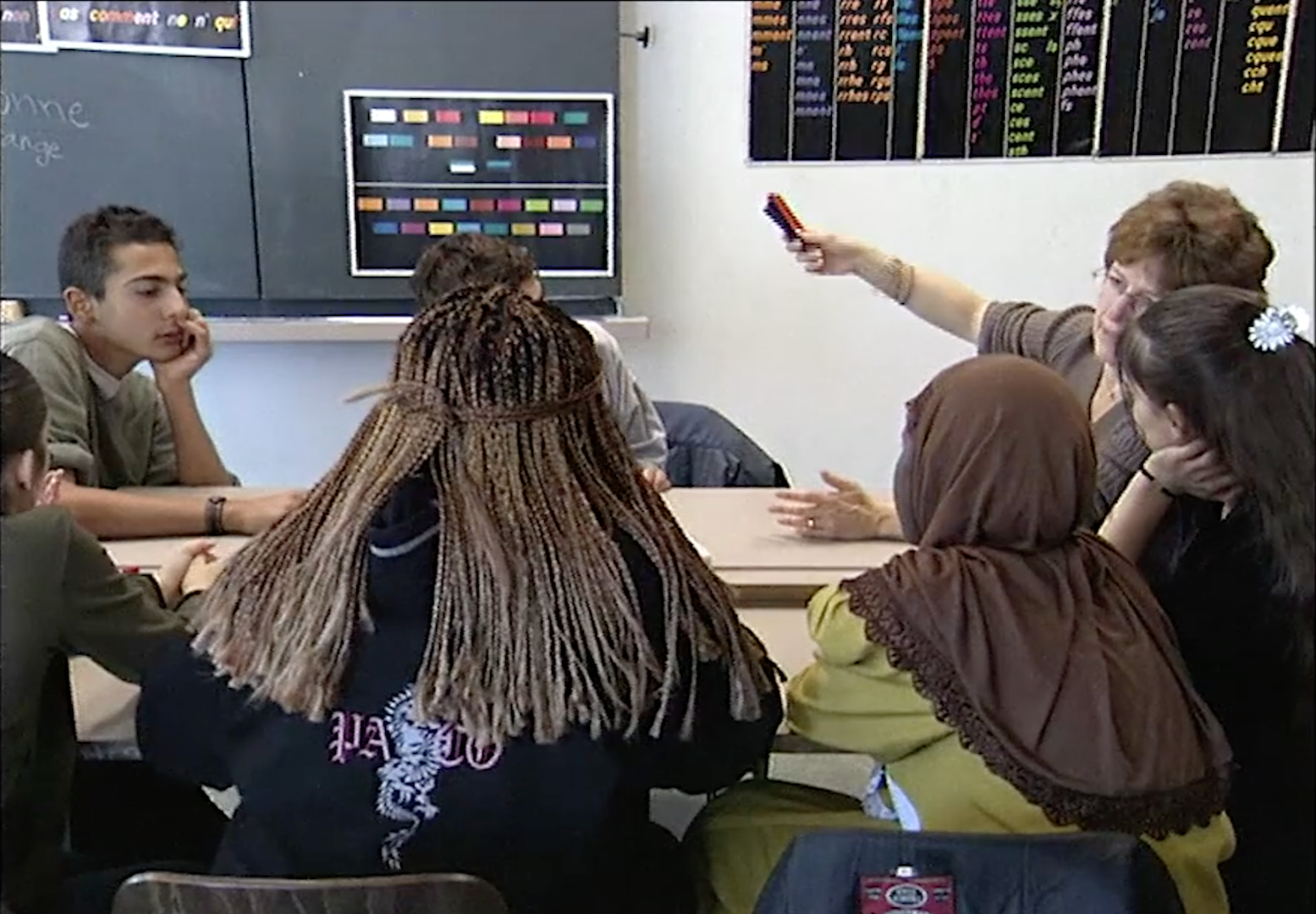
This 2002 film provides an overview of a year’s activity of a class of non-French speaking students learning French, using the pedagogy of Caleb Gattegno and the “Silent Way” approach. Follow the link here to watch the video.
(more…)
This film explores some of the work of ‘Classes de français‘ a Silent Way school in Tokyo, Japan and sets out some of the ways that the school teaches using the Silent Way.
(more…)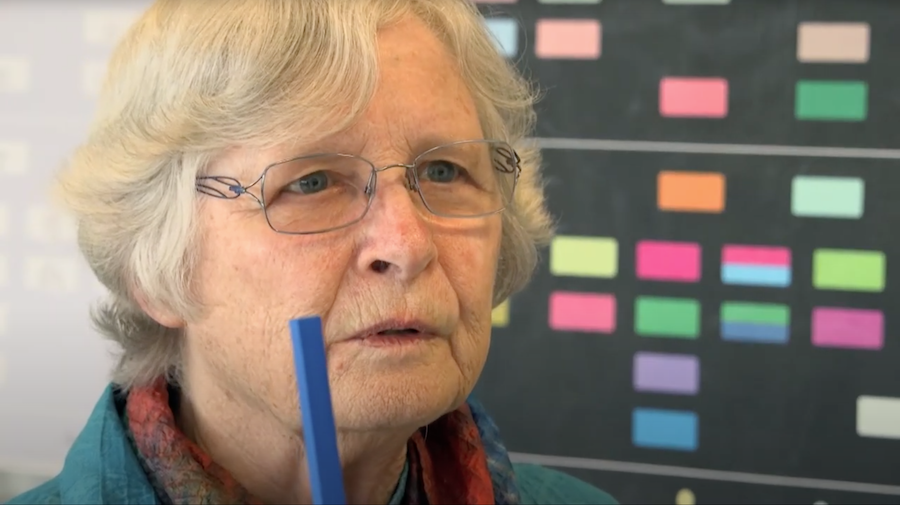
A conversation between Roslyn Young and Piers Messum about Caleb Gattegno’s Silent Way approach to teaching foreign languages. In this series of 15 videos Roslyn and Piers discuss the theory and practice of teaching using the Silent Way.
(more…)
What things will students find most difficult to learn by themselves? And what things do they need more of our help to learn? For example, for most people good pronunciation is almost impossible to acquire without skilled help. So we should prioritise this from day one of a course.
(more…)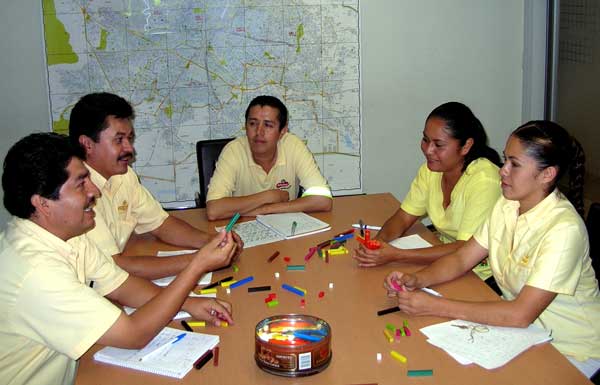
Once we understand what someone requires to do to learn a skill – trial & error, and practise – then what the teacher should do becomes very different. For good teaching there needs to be a fast-acting, double feedback loop in the classroom: the students learn about the language ; the teacher learns from the students.
(more…)
How do we know what students need to work on in the language they’re learning? After all there’s not much point in us teaching them things they already know. And there’s not much point in us teaching them things that they don’t need for what they want to express. The first is inefficient and a waste of your time. The second isn’t particularly relevant, or at least not relevant to them right now. We need ‘precision teaching’.
(more…)
Teachers have to practise being a teacher as much as students have to practise a language. We have to subordinate everything that we do to the students’ learning. It’s a terrible temptation for teachers to talk and explain and lecture. But this talk doesn’t really help people learn to speak a language.
(more…)