
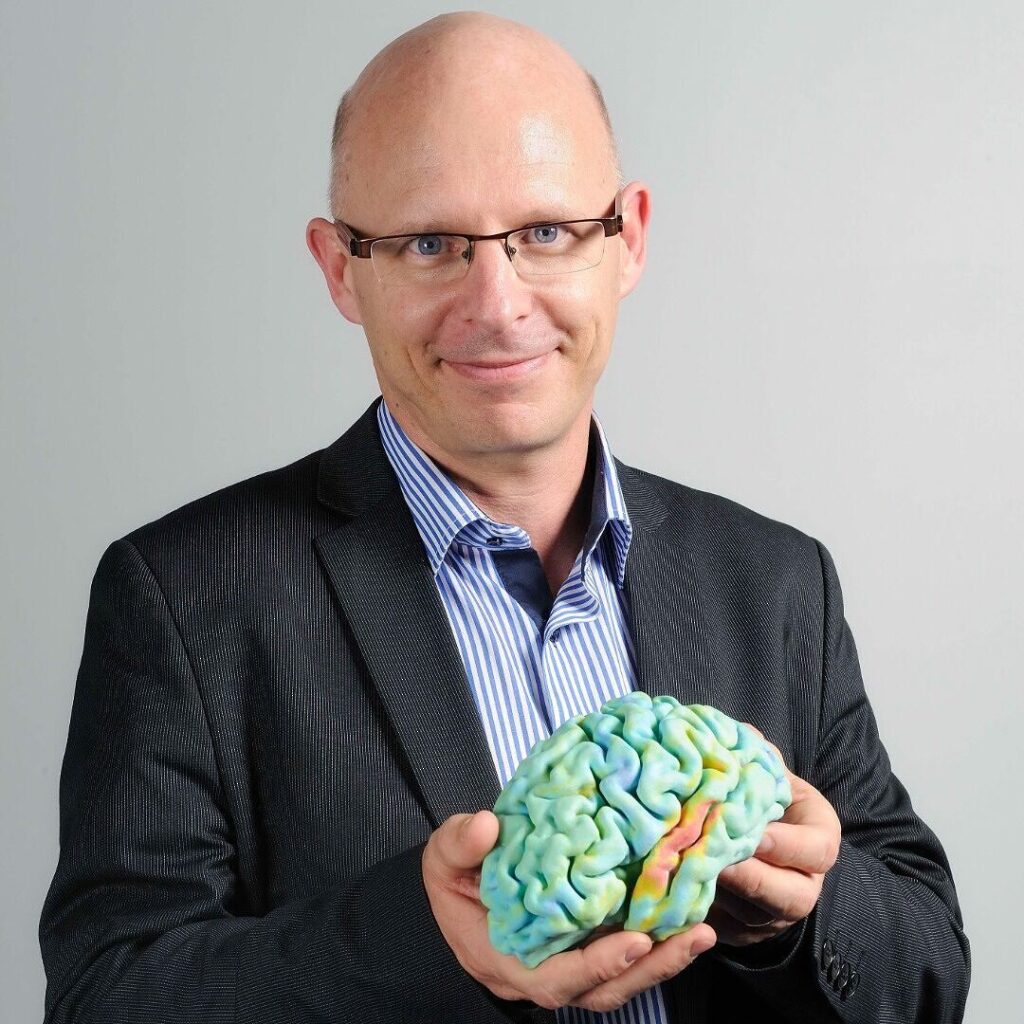
The French neuroscientist Professor Stanislas Dehaene sets out ‘four pillars of learning’ – attention, active engagement, error feedback and consolidation – in his recent book How we learn: The new science of education and the brain. This article examines how what a Silent Way teacher does relates to Dehaene’s four pillars.
(more…)
Learning to do something is a series of small steps. We start by realising that there is something to learn – something we can’t yet do. Then we experiment. Once we have worked out what we need to do we practise to achieve mastery and then what we have learnt is available for us to build other skills upon.
(more…)
Memorisation costs us a lot of time and energy and is unreliable. We forget so easily! On the other hand, there are some things that we remember perfectly. We can recognise places; find our way back home ; get back on our skis after a break; hum a lullaby from childhood.
(more…)
You can acquire a house by signing a cheque. But languages are learnt, so you have to give yourself the time and the experiences that the task requires. And you have to be ready to transform yourself: one day you know no Spanish … another day some months later you can describe what you did at the weekend in Spanish. What happened in the meantime?
(more…)
Teachers have to practise being a teacher as much as students have to practise a language. We have to subordinate everything that we do to the students’ learning. It’s a terrible temptation for teachers to talk and explain and lecture. But this talk doesn’t really help people learn to speak a language.
(more…)