

For intermediate students we use Class Conversations or ‘Tell me’ classes to help them improve their skills. The learning in these classes lies in the work that is done by the student on each sentence. Sometimes this work is very quick; sometimes it takes a bit longer.
Read this article to see video of the process of a student working on a language from intial idea of what he wanted to say, to final version said correctly and well.
(more…)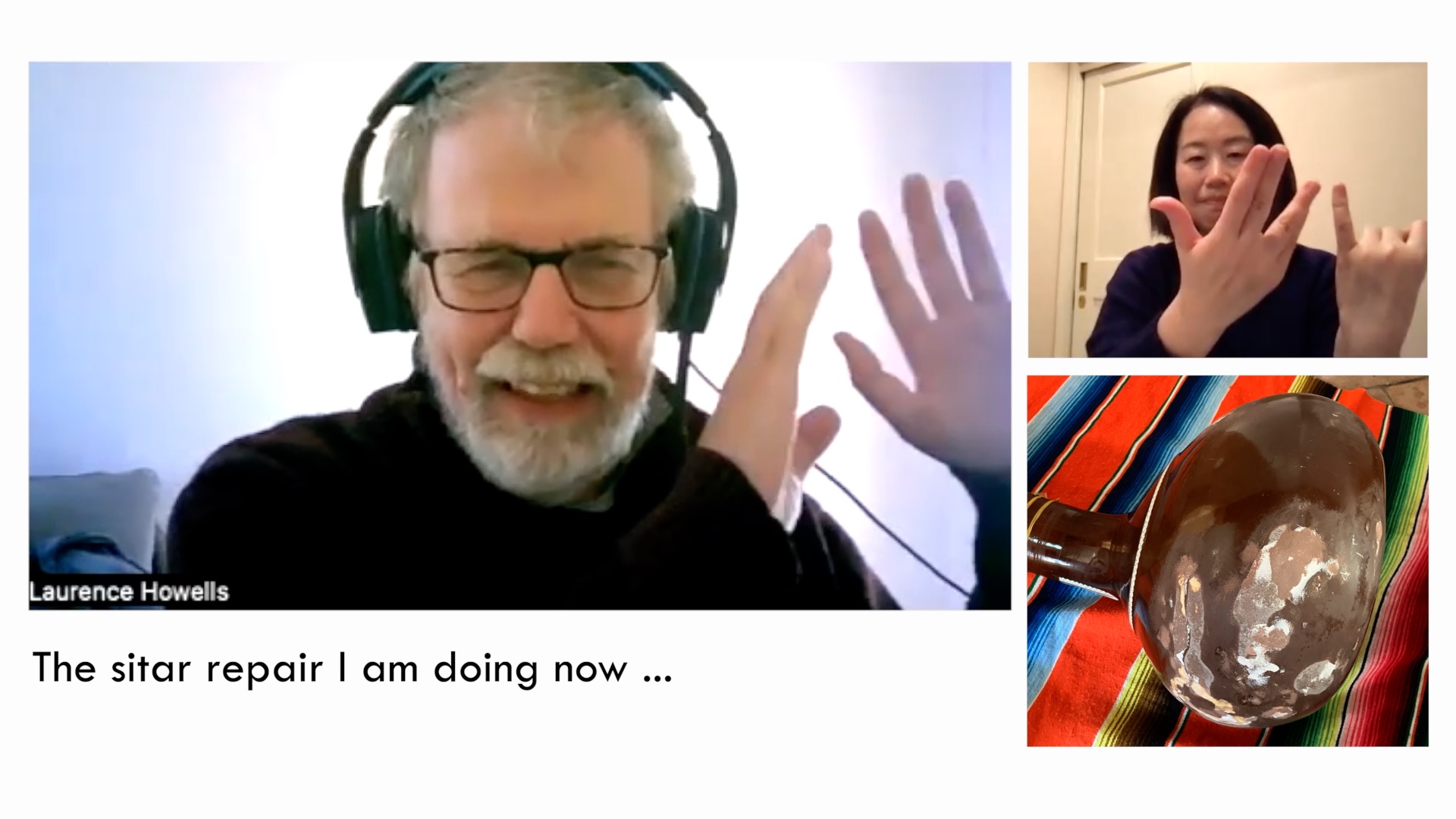
When we teach intermediate or advanced students one-to-one we use a ‘tell me’ class, instead of a Class Conversation. The student is invited to tell the teacher about something. At first, students may need to be prompted with a topic to talk about. Later, students often have something that they want to talk about. And the teacher can encourage them in this by saying something like ‘What would you like to tell me about today?’
(more…)
A mistake might just be a slip—even natives make mistakes sometimes—but it often tells us that a student hasn’t learned something, or hasn’t fully automated something yet. This is vital information for us. The energy to say something is there, and we know the student can’t yet quite say it correctly: the ground is fertile for them to learn. Importantly, everyone else in the class can learn something at the same time.
(more…)
There are negative consequences for our students if we accept their errors in the belief that communication should take precedence over accuracy. Without feedback on errors, on the grounds that they have communicated despite these errors, then many students assume that what they said was correct and start to make these errors habitual.
(more…)
It’s always better, at every level, to learn together with other students and practice the whole process of expressing yourself in a foreign language: from your thoughts through to using your muscles to make the foreign sounds of foreign words in the foreign sentences you need to express your idea. And everyone learns from everyone else in the class: a mistake is a gift to the class.
(more…)
Since language is for people to express themselves, once students have some of the language we mostly use class conversations to teach languages: someone starts off the conversation with something they want to say; and then others respond. In between these exchanges, the teacher gets the students to correct themselves. And then the class picks up the conversation again.
(more…)
How do we know what students need to work on in the language they’re learning? After all there’s not much point in us teaching them things they already know. And there’s not much point in us teaching them things that they don’t need for what they want to express. The first is inefficient and a waste of your time. The second isn’t particularly relevant, or at least not relevant to them right now. We need ‘precision teaching’.
(more…)
When is the best time to give feedback to students? It’s now, while whatever the impetus was for the student to make their sentence in the first place is still in everyone’s mind, and the taste of the sentence is still in their mouth and the sound they made is still ringing in everyone’s ears. If we wait, then no one will recall exactly what was said, nor what pronunciation mistake was made, nor what the context was for the sentence. Furthermore, once the moment has passed, no one will care any more.
(more…)
A student says a sentence. There’s something to be worked on: a word is missing, there’s one too many words, or they are in the wrong order; the verb tense is wrong, or there’s a possible contraction; there’s a pronunciation problem. You can use your fingers as a tool to help the student work on his mistake. We call this ‘finger correction’.
(more…)